
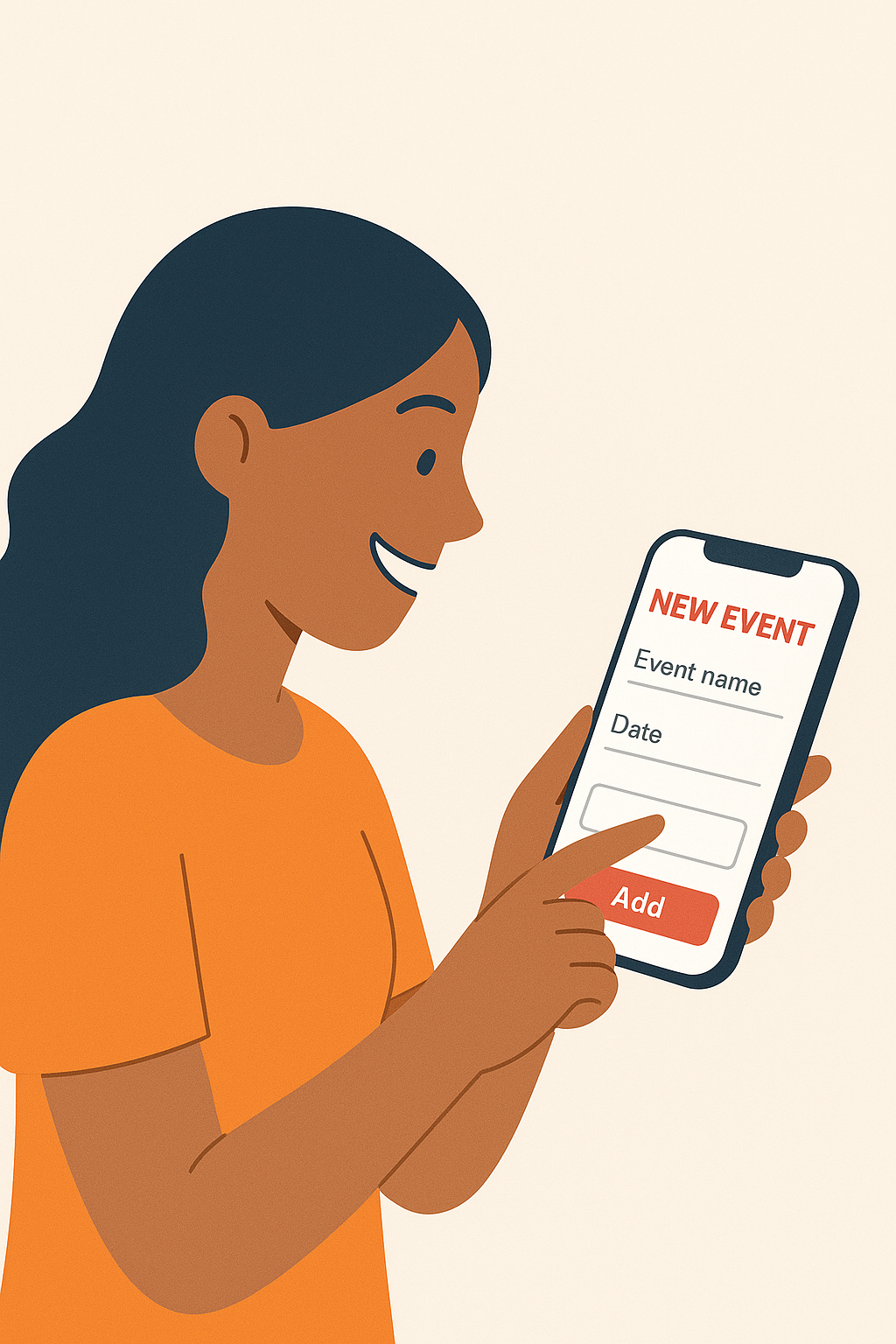
Top Event Features That Boost Group Productivity & Coordination
- -Advanced features like polls, shared to-do lists, expense splitting, and mood tracking are essential for streamlining group event planning and transforming chaos into seamless collaboration.
- -Polls enable transparent, democratic decision-making, empowering groups to quickly reach consensus on key details—whether scheduling meetings or organizing community initiatives.
- -Shared to-do lists align everyone on tasks, responsibilities, and deadlines, reducing misunderstandings and keeping group projects on track across event and classroom contexts.
- -Expense splitting tools promote financial transparency and fairness, making it easy to share costs and avoid awkward money conversations for group travel, fundraising, or social events.
- -Mood tracking offers real-time insights into group sentiment, helping organizers adjust event flow to boost engagement and satisfaction in settings from team retreats to workshops.
Introduction
Contemporary event planning thrives on specialized features explicitly designed to enhance group coordination and maximize productivity. Coordinating a diverse set of participants, tasks, preferences, and budgets can rapidly become overwhelming without the right technological solutions. By adopting essential functionalities such as polls, shared to-do lists, expense splitting, and mood tracking, organizers can streamline decision-making, increase transparency, and nurture positive group dynamics. This article delves into these core event features, illustrating how integrating them can transform your group events into cohesive, well-structured experiences across domains like business conferences, educational seminars, social gatherings, and beyond.
Top Event Features That Boost Group Productivity & Coordination
Effective event planning hinges on utilizing specialized event features that optimize coordination and productivity within groups. Among these, polls are indispensable for facilitating democratic, swift decisions. When stakeholders must choose elements like a conference venue, marketing project timeline, or fundraising activity, polls cut through overwhelming communication threads by transparently capturing preferences and swiftly driving consensus. Tools such as the Mood app enable event organizers to embed polls directly within event pages, allowing participants to vote easily and view real-time results—transforming decision bottlenecks into streamlined processes.
Equally critical is the implementation of a shared to-do list, which centralizes task assignments, deadlines, and progress monitoring. This feature is indispensable in ensuring accountability and preventing important responsibilities from slipping through the cracks. For instance, a nonprofit organizing a charity gala can benefit tremendously from a centralized task list accessible by volunteers and organizers alike, ensuring everyone from logistics to communications is aligned. Integrating reminder systems further cultivates motivation and adherence to schedules.
Financial management and fairness are perennial challenges in group events, which is where expense splitting tools come into play. These features transparently divide costs and track payments, sparing participants uncomfortable conversations about money. Whether managing costs for a multi-day trade show booth, a community picnic, or group travel plans, payment transparency enhances trust and collaboration. Integrating expense tracking within the event platform—as done by Mood’s expense splitter—facilitates quick, equitable settlements, preventing financial misunderstandings and preserving goodwill among participants.
A novel, increasingly adopted feature is real-time mood tracking, allowing organizers to assess collective emotional states using simple inputs like emojis or numeric ratings. This emotional intelligence tool helps detect engagement levels, stress, or enthusiasm fluctuations during events. For example, educators hosting virtual classrooms have utilized mood feedback to modify pacing and content delivery dynamically, improving student participation. Similarly, corporate team-building facilitators can leverage mood data to introduce energizers or breaks, boosting morale and overall group cohesion.
The true power lies in the seamless integration of these core features—polls, shared to-do lists, expense splitting, and mood tracking—within single unified platforms. By consolidating decision-making, task management, financial transparency, and emotional insights, platforms like Mood eliminate fragmentation and foster a cohesive workflow. This integrated approach accelerates planning cycles while simultaneously strengthening interpersonal connections, resulting in more efficient, engaging, and successful group events across sectors such as healthcare conferences, legal workshops, retail promotions, and environmental campaigns.
Conclusion
Incorporating specialized event features—such as polls, shared to-do lists, expense splitting, and mood tracking—is pivotal for elevating group productivity and coordination in today’s multifaceted event planning landscape. These tools not only simplify complex organizational tasks but also enhance transparency and cultivate a positive emotional atmosphere that drives participant engagement. By adopting integrated platforms tailored for collaborative planning, organizers can surmount common logistical challenges, alleviate administrative burdens, and orchestrate more impactful, inclusive events. Looking forward, those who embrace these technological advancements and embed emotional intelligence into their planning strategies will unlock new levels of event success and participant satisfaction. In a competitive environment where adaptability and empathy increasingly define excellence, the question is no longer whether to adopt such tools—but how strategically they are leveraged to create meaningful, memorable group experiences that stand apart and endure.