

Key Differences: WhatsApp vs Signal Security Explained
- -Signal collects minimal user data and metadata—only requiring a phone number—while WhatsApp collects more personal and usage data for business purposes.
- -Both apps use the Signal Protocol for end-to-end encryption, but Signal's open-source, non-profit model increases auditability and transparency.
- -WhatsApp, owned by Meta, shares metadata and utilizes user information for business/ad-related purposes, impacting privacy.
- -Recent research shows user tracking vulnerabilities exist in both platforms, reinforcing that technical encryption alone doesn’t guarantee total privacy.
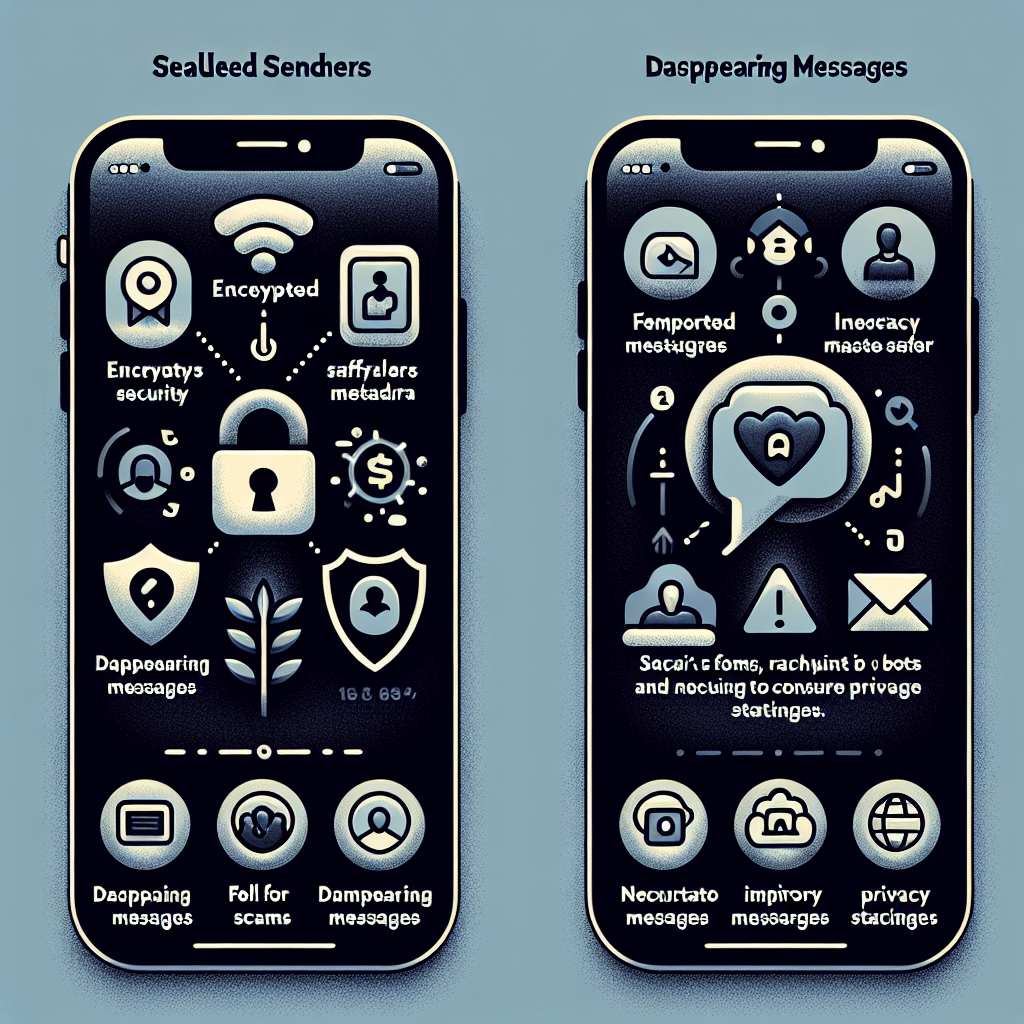
- -Advanced features: Signal offers Sealed Sender for metadata protection and options for disappearing messages, while WhatsApp prioritizes user adoption and broader feature integration.
- -User habits matter: Security can be compromised by scams, phishing, device compromise, and poor privacy settings regardless of platform.
- -Choosing Signal is preferable for those who prioritize privacy and transparency above all else.
Key Differences: WhatsApp vs Signal Security Explained
In today's digital age, ensuring the privacy and security of our communications is paramount. With increasing concerns over data breaches and surveillance, the choice between messaging apps like WhatsApp and Signal becomes crucial. Both offer end-to-end encryption, but their approaches to data privacy and security differ significantly. This article delves into these differences, empowering users to make informed decisions about their communication platforms in 2025.
Key Takeaways
- Signal collects minimal user data, only requiring a phone number, while WhatsApp gathers more personal and usage data for business purposes.
- Both apps utilize the Signal Protocol for end-to-end encryption, but Signal's open-source model enhances transparency.
- WhatsApp, owned by Meta, shares metadata and user information for ads, impacting privacy.
- Recent studies reveal potential user tracking vulnerabilities in both platforms.
- Advanced features: Signal's Sealed Sender and disappearing messages enhance privacy, while WhatsApp focuses on user adoption and feature integration.
- User habits can compromise security regardless of the platform.
End-to-End Encryption: Signal Protocol
Understanding End-to-End Encryption
End-to-end encryption (E2EE) ensures that only communicating users can read the messages. Both WhatsApp and Signal use the Signal Protocol for this purpose, providing robust encryption that prevents third-party access, including the service providers themselves.
Signal Protocol in Practice
- WhatsApp: While WhatsApp employs the Signal Protocol, its closed-source nature means less transparency about implementation. This raises concerns over potential backdoors.
- Signal: As an open-source platform, Signal allows its code to be audited by anyone, enhancing trust among privacy-conscious users.
Real-World Example
A 2023 university study highlighted that despite the encryption, metadata such as timestamps and sender/receiver information could expose user patterns. This underscores the importance of understanding that encryption alone doesn't ensure complete privacy.

Data Collection and Metadata Handling
WhatsApp's Data Practices
WhatsApp collects extensive user data, including contact lists, location data, and usage patterns. This data is primarily used to enhance user experience and for business and ad-related purposes, aligning with Meta's revenue model.
Signal's Minimalistic Approach
Signal stands out by requiring minimal data. It only needs a phone number for registration and doesn't store user metadata. This minimalist approach aligns with its privacy-first philosophy.
Metadata Risks
Metadata can reveal much about user behavior. For instance, knowing who you communicate with and when can be as revealing as the content of the messages themselves. This is a critical point for users deciding between WhatsApp and Signal.
Open-Source vs Proprietary Code
Transparency and Trust
- Signal: Its open-source code is available for public scrutiny, fostering a higher level of trust among users who prioritize privacy.
- WhatsApp: As a proprietary platform, its code is not publicly accessible, leading to skepticism about potential vulnerabilities or backdoors.
Pro Tip
For those concerned about privacy, choosing open-source software like Signal can provide reassurance through community-driven audits and transparency.
Business Model and Organizational Transparency
WhatsApp's Monetization Strategy
WhatsApp's ownership by Meta influences its data practices. The app's integration with other Meta services allows for targeted advertising, which can compromise user privacy.
Signal's Non-Profit Model
Signal operates as a non-profit, funded by donations. This model prioritizes user privacy over profit, reinforcing its commitment to secure communication without data exploitation.
Common Pitfall
Assuming that all free apps operate with user privacy in mind can be misleading. Understanding the business model behind the app is crucial for assessing its privacy stance.
Recent Vulnerabilities and Real-World Risks
User Tracking Vulnerabilities
Recent research has uncovered vulnerabilities in both WhatsApp and Signal that could allow user tracking despite strong encryption. These findings highlight that technical encryption alone doesn't guarantee full privacy.
Example Scenario
Consider a scenario where metadata analysis reveals communication patterns between users, potentially exposing sensitive relationships or business dealings. This underscores the importance of comprehensive security measures beyond encryption.
User Adoption and Global User Base
Popularity and Reach
- WhatsApp boasts a massive global user base, making it a go-to choice for many due to its widespread adoption and feature-rich environment.
- Signal remains a preferred choice for privacy-focused users, although it has a smaller user base compared to WhatsApp.
Impact on Security
A larger user base can attract more attention from malicious actors, making widespread platforms like WhatsApp more susceptible to attacks.
Extra Security Features
Signal's Advanced Features
- Sealed Sender: Protects metadata by obscuring who is sending messages.
- Disappearing Messages: Allows users to set messages to automatically delete after a specified time.
WhatsApp's Focus
WhatsApp prioritizes integrating broader features like status updates and business tools, which can sometimes compromise on stringent privacy measures.
Actionable Insight
For users prioritizing privacy, Signal's features like Sealed Sender and disappearing messages offer enhanced security beyond basic encryption.
Conclusion
In the debate of WhatsApp vs Signal, the choice boils down to privacy priorities. Signal's minimalist data approach and open-source transparency make it a strong contender for privacy-conscious users. WhatsApp, with its extensive features and large user base, appeals to those seeking broader communication tools but at a potential cost to privacy.
Ultimately, the decision hinges on individual privacy concerns and the importance placed on transparency and data handling practices. For those prioritizing privacy above all else, Signal remains the preferable choice.